Storing files correctly: What you need to bear in mind
10-year retention obligation? Don't risk illegible receipts due to improper storage. The guide to secure long-term archiving.

Despite digital transformation, the paperless office remains an illusion for many Swiss SMEs and individuals. Important contracts, deeds, tax receipts, and balance sheets exist physically and must remain physical. While digital data "only" requires backups, paper has entirely different demands. Chemically speaking, it's a challenge. It tolerates no errors in ambient temperature, humidity, or lighting.
The problem is exacerbated by the legal situation. According to the Swiss Code of Obligations (OR Art. 958f), business books and booking vouchers must be kept for ten years. For real estate documents or certain tax-relevant documents, it is often even 20 years. Ten years is a long time for a material made of plant fibres that slowly but surely decomposes.
The Cellar Trap
Most archives pragmatically end up where there's space: in the cellar. But what may be good for wine is often a slow death for files. Paper is hygroscopic. This means it adapts its moisture content to the ambient air. If the paper absorbs moisture, the fibres swell. The result is wavy paper, stuck pages, and in the worst case, mould formation.
Especially in older buildings, the humidity in the cellar is often far above the recommended 45 to 55 percent for paper. As soon as the 60 percent mark is permanently exceeded, a microbiological process begins. So-called foxing appears – yellow-brown discolorations caused by fungal spores that irreversibly damage the paper. In addition, there's the "cellar smell": paper absorbs odours extremely quickly. A contract that smells musty makes no professional impression during an audit or sale.
The Underestimated Danger: The Paperfish
For a long time, the silverfish was considered the classic pest in bathrooms and cellars. But archives have a new, more dangerous enemy: the paperfish (Ctenolepisma longicaudata). Unlike the silverfish, which loves moisture, the paperfish prefers it drier – exactly how we actually want to store our files.
The paperfish has spread rapidly across Europe in recent years. It feeds on cellulose and starch. This means it eats paper, cardboard, and the glue from book spines. The damage is often devastating, as the animals don't just nibble on the surface but eat their way through entire stacks of files, destroying the text ("perforation damage"). Conventional corrugated cardboard moving boxes are no obstacle for these pests; rather, they serve as a welcome buffet and nesting place at the same time.
Light and Chemistry: When Paper Destroys Itself
In addition to moisture and pests, the chemical composition of paper also threatens its durability. Many papers, especially inexpensive printer paper or older newspaper, contain wood and lignin. Under the influence of UV light (daylight or fluorescent tubes), lignin oxidizes. We all know the result: the paper yellows and becomes brittle.
Another problem is "acid." Paper disintegrates over time by itself if the pH value becomes acidic (acid rot). This is accelerated by improper storage, such as in simple cardboard boxes or wooden shelves that themselves emit acidic fumes.
How to Store Files Correctly
If you want to ensure that your documents are still readable and presentable after ten years, you should observe the following principles:
Climate control is mandatory: The storage room should have a constant temperature (ideally 14–18 °C) and a relative humidity of 45 to 55 percent. Strong fluctuations stress the material more than constant, slightly suboptimal values.
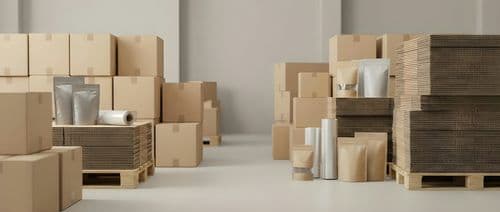
Away from cardboard: Do not store important long-term files in banana-box-sized moving boxes. Use acid-free archive boxes or, even better, sealable plastic boxes. These offer mechanical protection against paperfish and protect better than cardboard in case of water damage (e.g., a burst pipe in the cellar).
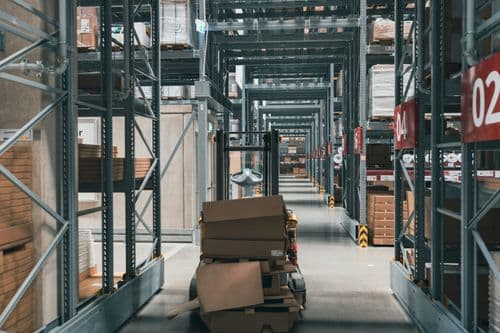
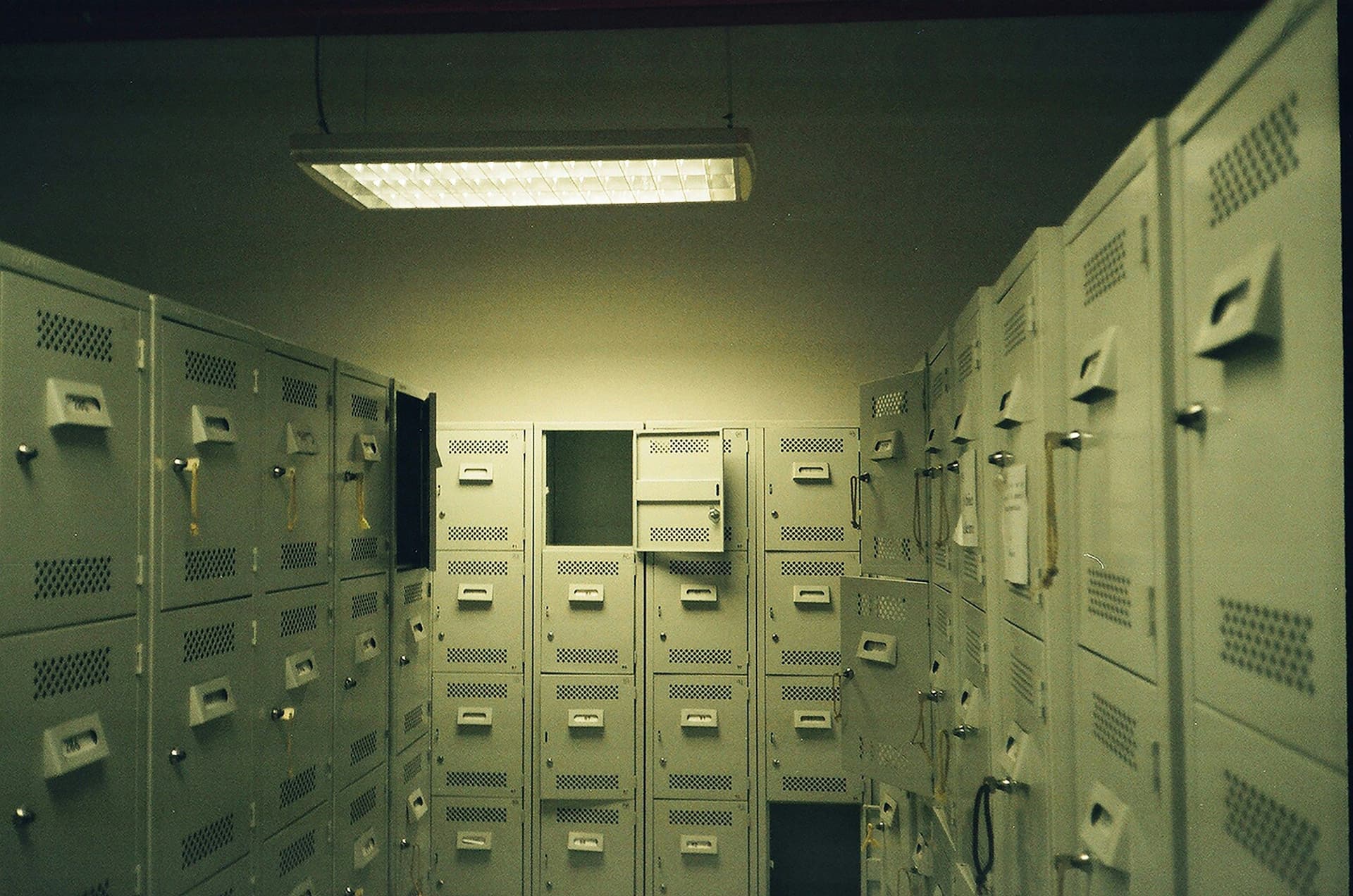
Metal instead of wood: Metal shelves are better suited for file storage than wooden shelves, as they do not emit harmful gases and do not provide a breeding ground for pests.
External storage: If your own cellar is damp, you risk losing your business documents. An external, professional storage room (self-storage) is often the safest solution. Here, climate and pest control are monitored, guaranteeing the physical integrity of your files.
Conclusion
Paper appears patient, but it is not. Anyone who wants to comply with statutory retention periods and secure important documents for posterity must not simply "forget" files in the cellar. The right packaging and a controlled indoor climate are the life insurance for your documents.
Looking for the right commercial space?
Discover offices, warehouses, workshops and other commercial spaces across Switzerland.