Ideas for hobby rooms: utilisation and design concepts
Your hobby room ideas – tips and tricks for a room for your passion

At a time when personal interests and creativity are becoming increasingly important, the concept of renting hobby rooms is gaining significance. Many people are discovering the benefits such a space can offer for their passions. Whether it's music production, painting, crafts, or other creative activities – a hobby room opens up new possibilities for self-realization.
This trend reflects the desire to create a clear separation between everyday life and personal projects. In a world characterized by multitasking and constant availability, having your own hobby room offers a retreat where you can fully concentrate on your passion. This guide will introduce you to all the important aspects to consider when renting a hobby room.
Advantages of Hobby Rooms
The decision to rent a hobby room brings numerous advantages. First and foremost is the additional space for creative development. Many hobbies require space, be it for musical instruments, easels, workbenches, or collectibles. A rented hobby room offers the opportunity to spread out and leave projects standing over a longer period of time without affecting your well-kept living area.
Another significant advantage is the clear separation of living and hobby areas. This spatial separation can significantly increase concentration and productivity. When you rent a hobby room, you create a dedicated place for your creativity, free from everyday distractions. This can not only improve the quality of your work but also help you dedicate yourself to your hobby more intensively and with greater focus.
In addition, a rented hobby room often offers the possibility to use or install special equipment that would not be feasible in a normal apartment. This could be professional lighting for photographers, soundproofing for musicians, or heavy machinery for craftsmen. The ability to design and equip the room entirely according to your own needs is a major advantage of renting a hobby room.
Types of Hobby Rooms
The variety of hobby rooms you can rent is as vast as the range and ideas for hobbies themselves. Music rooms are a popular option for musicians and producers. These rooms are often soundproofed and offer optimal acoustic conditions for rehearsals or recordings. When considering a music room, you should pay attention to the equipment, such as available instruments or recording devices.
Creative spaces and ateliers for artists are another common form of hobby rooms. These often offer generous areas with good lighting. Ideal for painters, sculptors, or other visual artists. When renting an atelier, the lighting situation is a crucial factor, as is the ability to store materials and finished works.
Workshops for craftsmen are specially equipped rooms that are perfect for woodworking, metalworking, or other manual activities. If you want to rent a workshop, pay attention to the existing equipment, power outlets, and ventilation options.
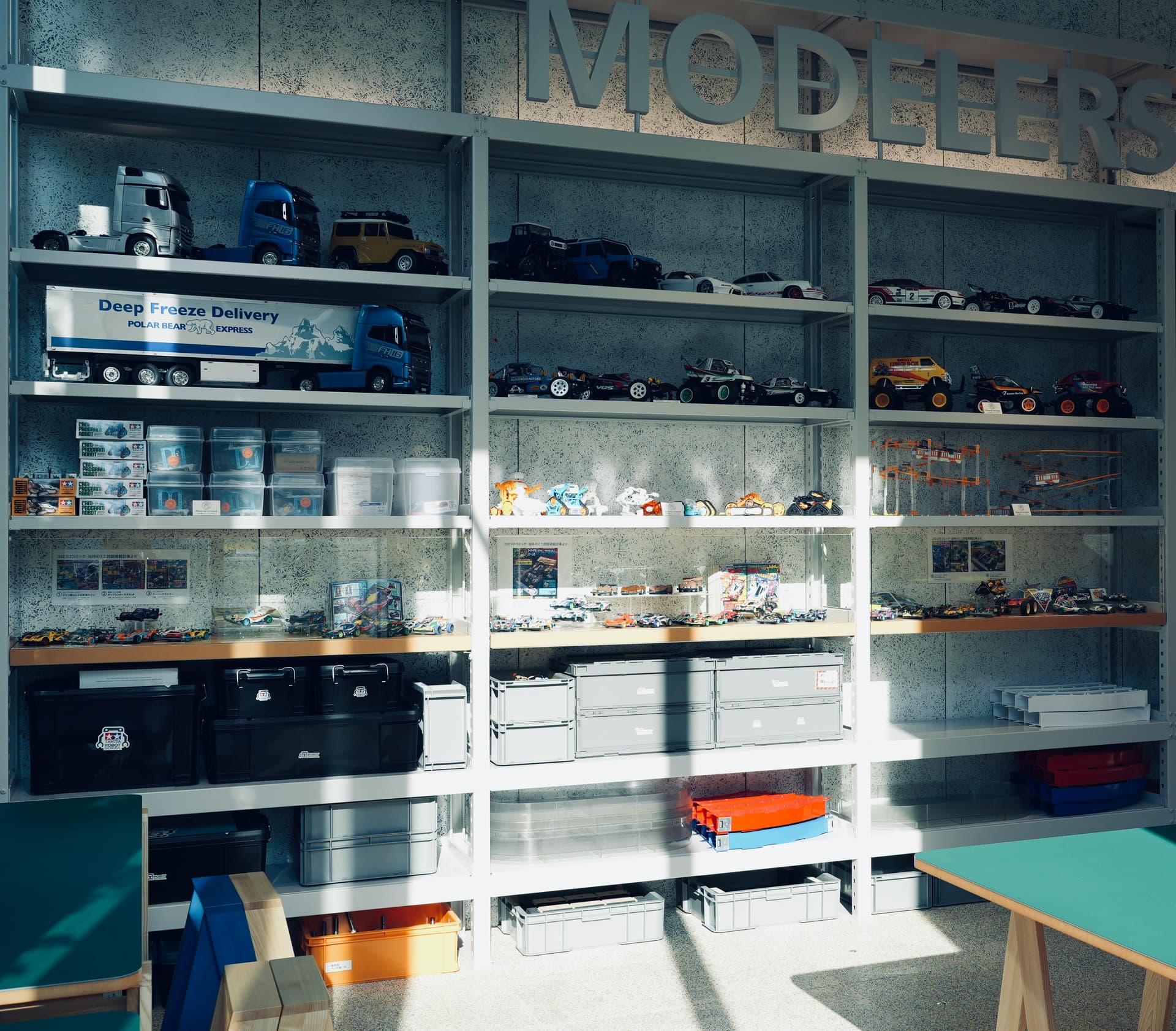
For model builders and collectors, there are often smaller but well-organized rooms available to rent. These provide space for detailed work and secure storage options for valuable collectibles. When renting such rooms, security is an important aspect. Fitness rooms as hobby rooms are increasingly gaining popularity. These can range from simple yoga studios to fully equipped home gyms. Here, you should ensure there is enough space for your activities and possible changing rooms.
Factors When Considering a Hobby Room
The size and layout of the room should suit your specific needs. Consider how much space you need for your activities and whether the room has the right shape and layout for them. Location and accessibility are also crucial. A hobby room that is difficult to reach may be used less frequently. Make sure the location is easily accessible by public transport or car. The availability of parking spaces can also be an important aspect.
The equipment and condition of the room should meet your requirements. Check if necessary connections, lighting, or special facilities are available. The general condition of the room, including insulation and heating, must also be taken into account. Rental costs and utility costs are another important factor. Make sure the total costs fit into your budget. In addition to the base rent, consider costs for electricity, heating, and potential insurance. Last but not least, you should consider the legal framework. Clarify whether the intended use of the room is permitted and if there are restrictions regarding noise protection or opening hours.
Where Can You Rent Hobby Rooms?
The search for the perfect hobby room can be done in various ways. Today, online platforms are one of the most fruitful sources. Websites like www.maison.work or storrable often offer a wide selection of hobby rooms. These platforms allow you to efficiently filter by specific criteria such as size, location, and price, and to browse the offers. Although many no longer consider traditional methods like notice boards and classified ads in local newspapers to be up-to-date, they should not be underestimated. Especially for subletting or passing on hobby rooms, applications in this way are still used. Particularly in smaller towns or communities, you might come across interesting offers here. There are also specialized providers who focus on renting out hobby rooms. You can often find these in larger cities, and they offer rooms specifically equipped for certain hobbies.
Usage and Design Concepts
Once you have rented a hobby room, optimal use of the space is an important aspect. Plan the furnishing carefully to make the best possible use of the available space. Multifunctional furniture and clever storage solutions can help accommodate everything, even in smaller rooms.
Safety aspects should not be neglected when furnishing and using your hobby room. Depending on the nature of your hobby, this may include the safe storage of tools, the installation of fire extinguishers, or ensuring adequate ventilation. Inform yourself about relevant safety regulations and adhere to them.
Noise protection and consideration for neighbors are other important points, especially if your hobby involves noise generation. Consider at what times you use your hobby room and how you can minimize potential disturbances. In some cases, additional soundproofing may be useful.
Alternatives to Hobby Room Ideas
In addition to the classic renting of a hobby room, there are alternative options that might be interesting depending on your situation. Shared spaces and co-working areas are increasingly gaining popularity. These concepts offer the opportunity to share spaces and often equipment with others, which can reduce costs. Such shared spaces can also promote the exchange of ideas among like-minded people.
Temporary rental options are another alternative. Some providers make it possible to rent hobby rooms for shorter periods, sometimes even by the hour. This can be a good solution if you do not need your hobby room regularly or want to use different types of rooms for different projects.
For those who cannot or do not want to rent a separate room, there are also do-it-yourself solutions for at home. With creative ideas, areas for hobbies can often be created within your own apartment, be it through room dividers, pull-out workspaces, or multifunctional furniture.
Testimonials
Many people who have decided to rent a hobby room report positive experiences. They particularly appreciate the opportunity to concentrate fully on their hobby without having to consider the rest of the household. A music producer, for example, reports that renting a separate room has significantly increased his productivity and creativity.
A hobby painter shares how the rented atelier space not only offers her more room for large-scale works but also brings new inspiration through the exchange with other artists in the same building.
Summary
The decision to rent a hobby room can be an important step towards realizing your creative or personal goals. It offers the opportunity to take your hobby to a new level by creating a space specifically for your passion. The benefits range from more space and better equipment to increased productivity and creativity.
When searching for the right hobby room, it is important to consider your specific needs and carefully weigh various options. Factors such as location, size, equipment, and costs play a crucial role. Your hobby room ideas should be well thought out to get the maximum benefit from the space. Consider aspects such as safety and consideration for others.
Ultimately, renting a hobby room can be an enriching experience that opens up new possibilities to pursue your passions and further develop your skills. It is an investment in your personal interests and can lead to more satisfaction and balance in your life. Whether you rent a hobby room, consider an alternative like shared spaces, or find creative solutions at home – the most important thing is that you make space for your passions.
Looking for the right commercial space?
Discover offices, warehouses, workshops and other commercial spaces across Switzerland.